
The Ancient and Enduring History of Aloe Vera
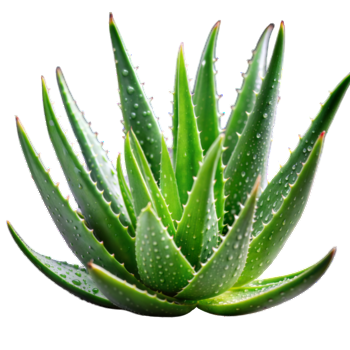
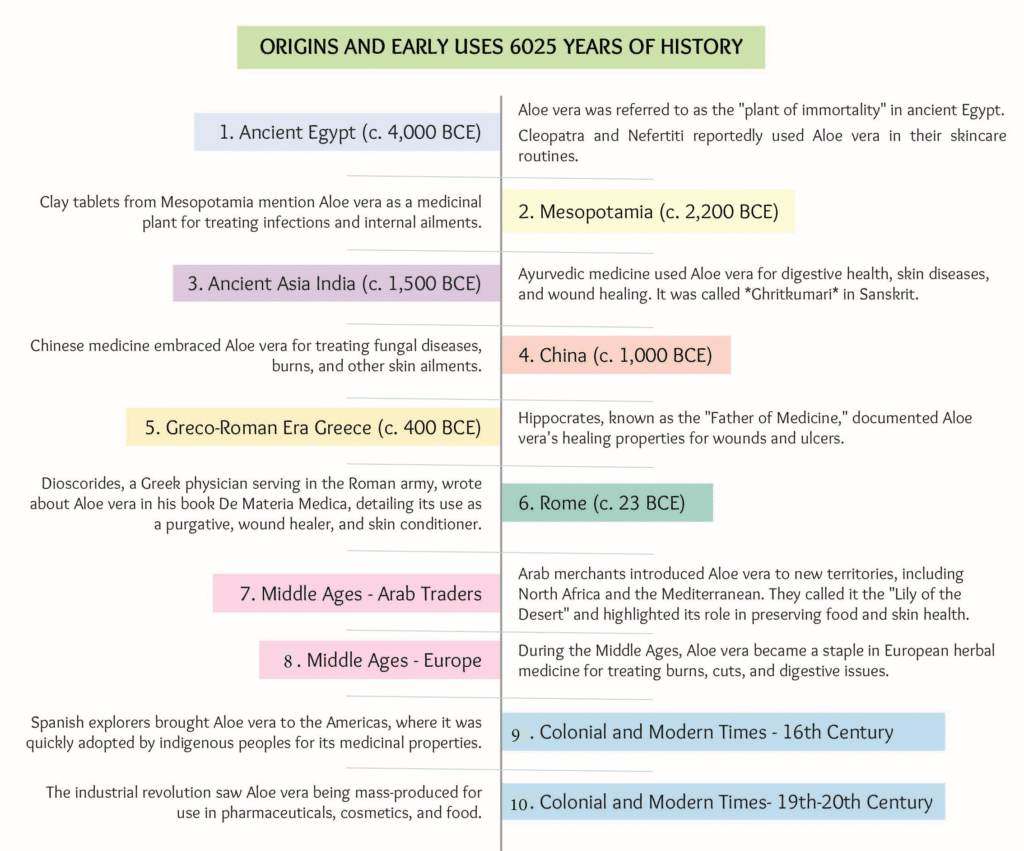
The history of “Aloe vera” dates back thousands of years and spans numerous civilizations. It is one of the oldest known medicinal plants, valued for its healing, cosmetic, and nutritional properties. Here is a detailed historical overview: The plant gained prominence in multiple ancient civilizations, including Egyptian, Indian, Chinese, and Greek cultures.
Today 2025
Aloe vera remains a globally recognized plant, extensively valued for its medicinal, cosmetic, and nutritional benefits. Its gel and extracts are found in skincare products, health supplements, and beverages.
The history of Aloe vera highlights its timeless appeal and utility, making it one of humanity’s most treasured natural remedies.
Aloe vera remains a globally recognized plant, extensively valued for its medicinal, cosmetic, and nutritional benefits. Its gel and extracts are found in skincare products, health supplements, and beverages.
The history of Aloe vera highlights its timeless appeal and utility, making it one of humanity’s most treasured natural remedies.
ALOE VERA HISTORY – TODAY
The introduction of Aloe vera to Sri Lanka is not precisely documented, but historical records and traditional practices suggest that it likely came to the island through “ancient trade routes”. Sri Lanka, located strategically along key maritime trade routes, was influenced by travelers, traders, and colonizers from India, the Middle East, China, and Europe.
Possible Introductions
1. Indian Influence
Given Sri Lanka’s proximity to India and cultural ties, Aloe vera may have been introduced through Ayurvedic practitioners or traders. It was widely used in Ayurvedic medicine in India for treating wounds, skin conditions, and digestive issues.
2. Arab Traders
Arab merchants frequently visited Sri Lanka during the ancient spice trade era, bringing various plants, including Aloe vera, valued for their medicinal and cosmetic properties.
3. European Colonization
During the colonial era (Portuguese, Dutch, and British rule), Aloe vera could have been introduced as a commercial crop or medicinal plant by European settlers.
4. Traditional Knowledge
Once introduced, Aloe vera became part of Sri Lanka’s indigenous medicine (Deshiya Chikitsa) and was cultivated for its adaptability to the climate and wide range of uses.
While no single person or group can definitely be credited with introducing Aloe vera to Sri Lanka, it is clear that the plant has been integrated into traditional medicine and everyday life over centuries.
Aloe vera’s fluctuating availability in Sri Lanka
Aloe vera’s fluctuating availability in Sri Lanka can be attributed to a combination of historical, economic, and agricultural factors. While Aloe vera has been known globally for centuries, its prominence in Sri Lanka appears to have waned before being reintroduced and popularized in recent years. Here’s why this might have happened:
1. Lack of Commercial Focus in the Past
1.1. Traditional Use Only:
Historically, Aloe vera may have been grown in home gardens or used in traditional medicine, but it was not cultivated on a large scale for commercial purposes.
1.2. Shift to Other Crops:
Farmers likely prioritized crops like tea, rubber, paddy, and spices, which were more profitable and supported by government policies during the colonial and post-colonial periods.
2. Limited Awareness and Market Demand
2.1. Global Aloe Vera Boom Missed:
While the global market for Aloe vera–based products began expanding in the late 20th century, Sri Lanka has not capitalized on this trend due to limited knowledge, investment, and infrastructure.
2.2. No Organized Cultivation:
Without a structured supply chain or an established industry, Aloe vera did not have a strong presence in Sri Lanka’s agricultural sector.
3. Introduction by Aloe Farm Sri Lanka
3.1. Revival of Aloe Vera Cultivation (5 Years Ago):
Companies like “Aloe Farm Sri Lanka” recognized the untapped potential of Aloe vera as a high-value crop. The initiative introduced large-scale cultivation and reestablished Aloe vera in Sri Lanka by creating awareness about its economic and medicinal benefits.
3.2. Innovative Farming Models:
Aloe Farm Sri Lanka implemented innovative investment and farming models, encouraging people to grow Aloe vera. Their efforts included:
Promoting Aloe vera as a cash crop.
Offering farmers financial benefits and guaranteed markets.
Collaborating with the government to secure approvals and recognition (e.g., the recent government approval of Aloe vera as a commercial plant in Sri Lanka).
4. Global and Local Demand Surge
4.1. Rising Demand for Natural Products:
Globally, there has been a surge in demand for Aloe vera–based products in cosmetics, pharmaceuticals, and health foods. This has encouraged Sri Lankan entrepreneurs to reintroduce and invest in Aloe vera cultivation.
4.2. Export Opportunities:
The potential to export Aloe vera and its by-products (like fresh gel, processed juice, and cosmetics) has created a lucrative market for local farmers and businesses.
5. Government and Private Sector Support
5.1. Lack of Prior Support:
Earlier, the Sri Lankan government and agricultural policies may not have prioritized Aloe vera cultivation, focusing on staple crops instead.
5.2. Recent Policy Shift:
With initiatives like Aloe Farm Sri Lanka and increasing global demand, there has been a renewed focus on Aloe vera. The recent “cabinet approval” recognizing Aloe vera as a commercial plant is a significant step in its resurgence.
For many years, Aloe vera cultivation in Sri Lanka was neglected due to a lack of commercial focus, awareness, and infrastructure.
However, “Aloe Farm Sri Lanka” played a pivotal role in reintroducing the plant approximately five years ago, setting up organized cultivation, educating farmers, and creating a robust supply chain. Our efforts, combined with increasing global demand and government support, have made Aloe vera a promising crop for Sri Lanka once again.