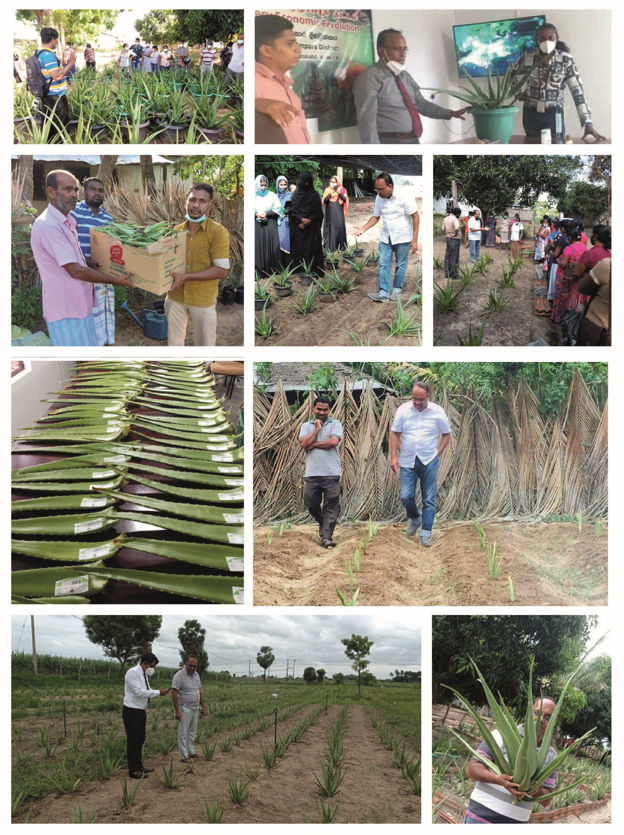
Coherent Impact: Aloe Vera Cultivation for Economic Revolution
Transforming Lives Through Sustainable Agriculture
Our initiative focuses on leveraging the power of Aloe Vera cultivation to drive economic empowerment, environmental stewardship, and community resilience across Sri Lanka.
Our Core Projects
We are implementing two interconnected projects to maximize our impact:
1. Aloe Vera Home Garden Project (Poverty Eradication)
- Objective: To empower low-income households by encouraging sustainable Aloe Vera cultivation in home gardens as a reliable and sustainable income source.
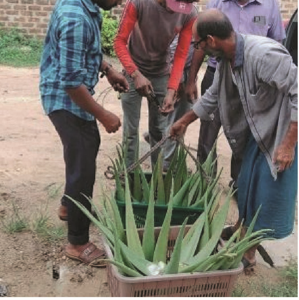
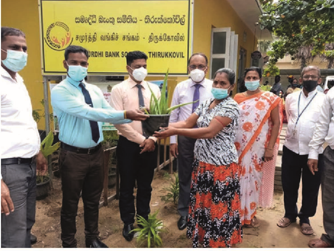
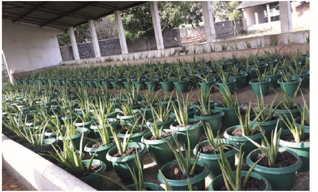
- Implementation: Families are provided with aloe vera saplings and basic training in planting, maintenance, and harvesting techniques.
- Benefits:
- Promotes Self-Sufficiency: The project requires minimal care and grows well in varied conditions.
- Generates Sustainable Income: Households can sell the harvested aloe vera leaves locally to supplement their income and improve their quality of life.
- Poverty Alleviation: This approach aids poverty alleviation by making economic activity accessible to under-resourced communities.
2. Commercial Cultivation Project
- Objective: To leverage aloe vera’s potential to empower individuals, support small farmers, and boost commercial agriculture.
- Focus: The project focuses on poverty reduction, rural development, investment, employment, and strengthening aloe vera as an export-oriented crop.
- Goal: To foster economic growth across different community levels through a unified, grower-oriented initiative.
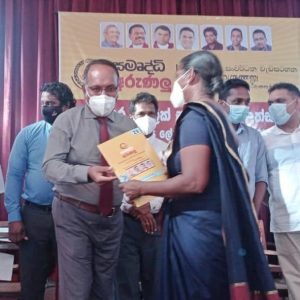
The “Pilot Project Of Aloe Vera Cultivation As Home Garden”
This pilot project aims to transform Sri Lanka’s rural economy by fostering a Green Economic Revolution.
Selection of Suitable Families
A careful selection process is carried out based on the following criteria:
- Poverty Line: Families below the poverty line are given priority.
- Willingness: Families must be willing to engage in the cultivation.
- Land Availability: A minimum of 05 perches of land is required.
Training & Land Preparation
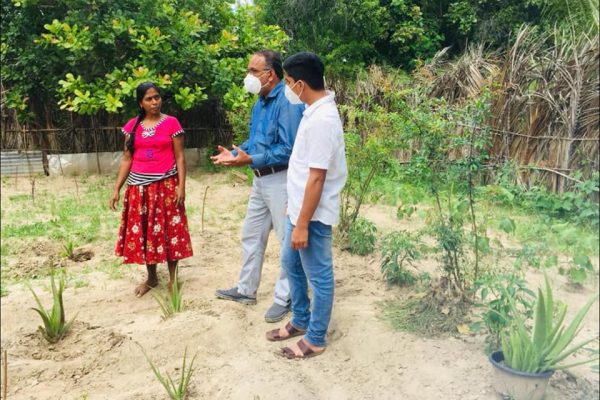
Selected families undergo a structured process:
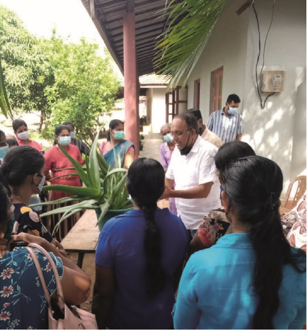
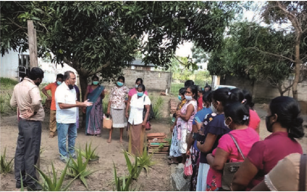
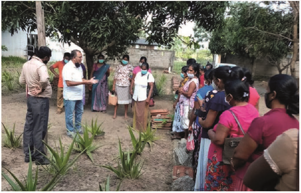
- Training: Comprehensive instruction on the project, cultivation techniques, and land preparation.
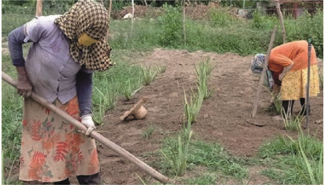
- Land Preparation: Includes soil testing, land preparation, use of organic fertilizers, and preparing cultivation beds.
| Phase | Description |
| Selection of Suitable Families | Criteria: Poverty line, Willingness, Land (min. 5 perches) |
| Training & Land preparation | Practical training, soil testing, organic fertilizer use |
| Continues Monitoring | Field visits, support systems, data collection |
| Harvesting | Implementing efficient harvesting and transport systems |
Cultivation & Monitoring Support System
We provide robust support to ensure farmer success and crop quality.
Continues Monitoring & Support
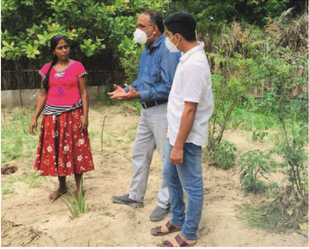
- Field Visits by Agricultural Officers: Regular visits to specific regions to monitor plant health, check for pests/diseases, and ensure proper guidance.
- Standardized Checklists: Use standardized practices for planting, irrigation, soil management, and harvesting.
- Mobile Monitoring and Reporting System: Develop an app/SMS-based system for farmers to submit crop updates, receive reminders, tips, and secure remote follow-up from officers.
Data-Driven Farming
- Data Collection and Analysis: Continuous data collection on crop growth, harvest yields, and farmer performance for early identification of any issues.
- Feedback and Improvement Loops: Conduct regular reviews with farmers to gather feedback and address challenges, ensuring the system remains responsive to their needs.
Harvesting and Logistics
Implementing an efficient harvesting system is key to streamlining collection, ensuring quality, and maximizing income for farmers.
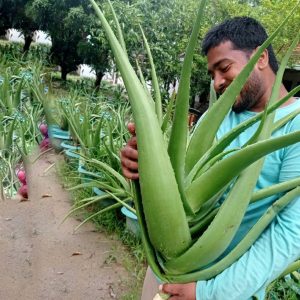
Harvesting Guidelines and Training
- Establish guidelines and training for harvesting mature leaves, identification, cutting techniques, post-harvest handling, and regular quality conduct to maintain leaf quality.
Organized Harvest Schedules
- Implement a staggered harvest schedule coordinated with agricultural officers to ensure consistent market supply and avoid oversupply.
Centralized Collection and Quality Control
- Centralized Collection Points: Set up local collection centers to categorize harvested aloe vera leaves based on size, thickness, and absence of damage or disease. This ensures only high-quality produce reaches the market and helps maintain price consistency.
- Transport and Logistics System: Collaborate with local logistics providers or establish a shared transport network for efficient movement of leaves from collection points to processing or distribution centers.
Impact and Future Vision
The structured harvesting system promotes quality control, efficiency, and consistency, helping farmers achieve higher income while ensuring a reliable supply of high-quality aloe vera to the market.
- Participating Families: 50,000 families will be participated.
- Monthly Income per Family: Will be 25,000 LKR.
- Total Annual Income: The project aims to generate a total income of 15 Billion LKR per annum.
Our commitment is to foster a prosperous and environmentally healthy future for Sri Lanka by turning small home gardens into a powerful engine for national economic growth.